
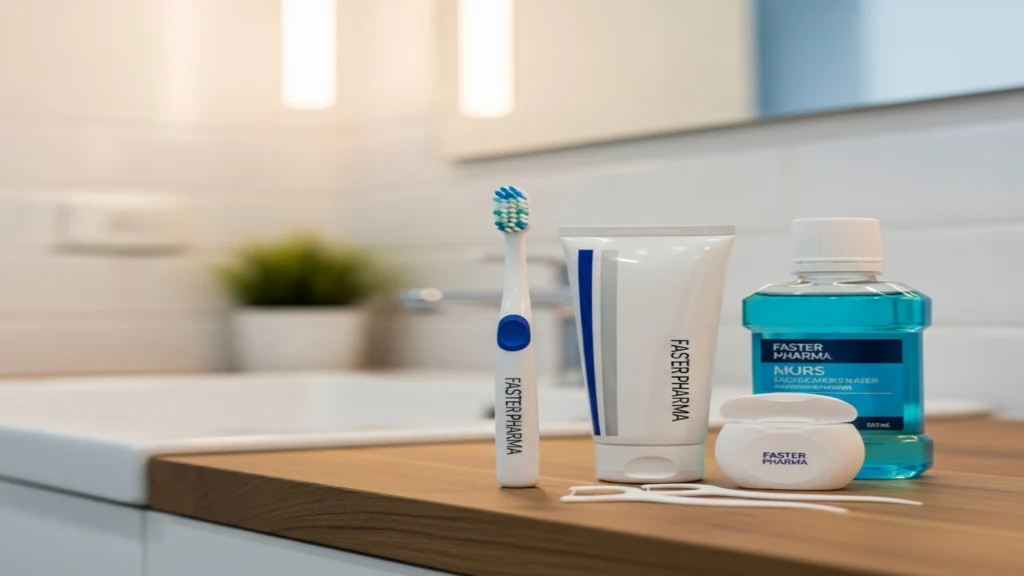
We all desire a bright, healthy smile. It boosts confidence, enhances our appearance, and is a crucial indicator of overall well-being. But maintaining optimal dental health can sometimes feel like a time-consuming endeavor. Fortunately, with the right knowledge and tools, you can significantly accelerate your journey to healthier teeth and gums. This guide, brought to you by Faster Pharma, provides practical tips and insights to help you achieve a radiant smile faster than you thought possible.
Understanding the Foundations of Dental Health
Before diving into accelerated strategies, let’s reinforce the fundamental pillars of oral hygiene:
- Brushing: This is your first line of defense against plaque and bacteria. Brush at least twice daily, for two minutes each time, using fluoride toothpaste. Pay attention to all surfaces of your teeth.
- Flossing: Reaching between your teeth and under the gum line, flossing removes food particles and plaque that brushing misses. Make it a daily habit.
- Mouthwash: A fluoride or antiseptic mouthwash can further reduce bacteria and freshen breath. Choose one that complements your toothpaste.
- Regular Dental Check-ups: Professional cleanings and examinations are essential for identifying and addressing potential problems early on.
Accelerated Strategies for a Healthier Smile
Now, let’s explore strategies to expedite your path to optimal dental health:
1. Optimize Your Brushing Technique
It’s not just about how often you brush, but how well you brush. Consider these refinements:
- Electric Toothbrush: Electric toothbrushes, especially those with oscillating-rotating heads, can be more effective at removing plaque than manual toothbrushes. They often include timers to ensure you brush for the recommended two minutes. You can find excellent options on our dental care product page.
- Proper Angle and Pressure: Hold your toothbrush at a 45-degree angle to your gums and use gentle, circular motions. Avoid excessive pressure, which can damage your gums and enamel.
- Tongue Scraping: Use a tongue scraper to remove bacteria and debris from the surface of your tongue. This can improve breath and contribute to overall oral hygiene.
2. Supercharge Your Flossing Routine
Flossing can feel tedious, but it’s a non-negotiable step. Here’s how to make it more effective and less time-consuming:
- Floss Picks: If you find traditional floss cumbersome, try floss picks. They’re easier to handle and can make flossing more convenient, encouraging more frequent use.
- Interdental Brushes: These small brushes are designed to clean between teeth, especially if you have wider gaps or braces. They’re particularly effective at removing plaque and food particles.
- Water Flossers: Water flossers use a stream of pressurized water to remove plaque and debris from between teeth and under the gum line. They can be a great alternative to traditional floss, especially for people with braces or sensitive gums.
3. Dietary Considerations for Dental Health
Your diet plays a significant role in the health of your teeth and gums. Here’s how to nourish your smile from the inside out:
- Limit Sugary and Acidic Foods: Sugar feeds bacteria in your mouth, leading to plaque formation and cavities. Acidic foods can erode tooth enamel. Minimize your consumption of sugary drinks, candies, and processed foods.
- Embrace Nutrient-Rich Foods: Focus on foods that promote dental health, such as fruits, vegetables, lean protein, and dairy products. Dairy products are rich in calcium, which strengthens teeth.
- Stay Hydrated: Drinking plenty of water helps wash away food particles and keeps your mouth moist, which is essential for saliva production. Saliva helps neutralize acids and fight bacteria.
4. Targeted Oral Care Products
Beyond basic brushing and flossing, specific products can provide targeted benefits for your dental health:
- Fluoride Toothpaste: Fluoride strengthens tooth enamel and helps prevent cavities. Choose a toothpaste with the appropriate fluoride concentration for your age and needs.
- Antimicrobial Mouthwash: These mouthwashes contain ingredients that kill bacteria and reduce plaque. They can be particularly helpful for people with gingivitis or periodontitis.
- Teeth Whitening Products: If you desire a brighter smile, consider using teeth whitening products. Choose reputable brands and follow the instructions carefully to avoid damaging your enamel.
- Dry Mouth Remedies: Dry mouth can increase the risk of cavities. If you experience dry mouth, use sugar-free gum or lozenges, or consult with your dentist about other remedies.
5. Lifestyle Adjustments for a Healthier Mouth
Certain lifestyle habits can significantly impact your dental health. Here are some key adjustments to consider:
- Quit Smoking: Smoking is detrimental to oral health. It increases the risk of gum disease, tooth loss, and oral cancer.
- Manage Stress: Stress can lead to teeth grinding (bruxism), which can damage your teeth. Practice stress-reduction techniques such as yoga or meditation.
- Limit Alcohol Consumption: Excessive alcohol consumption can dry out your mouth and increase the risk of oral cancer.
Addressing Specific Dental Concerns
If you have specific dental concerns, such as sensitive teeth, gum disease, or bad breath, it’s important to address them proactively:
- Sensitive Teeth: Use toothpaste specifically formulated for sensitive teeth. Avoid acidic foods and drinks.
- Gum Disease: See your dentist regularly for check-ups and cleanings. Use an antimicrobial mouthwash and floss daily.
- Bad Breath: Brush your teeth and tongue thoroughly. Use mouthwash. See your dentist to rule out any underlying medical conditions. If you are looking for wellness-related products, check our offers at Faster Pharma Wellness.
The Role of Professional Dental Care
While at-home oral hygiene is crucial, regular professional dental care is equally important. Your dentist can identify and address potential problems early on, preventing them from escalating into more serious issues. Aim to schedule a dental check-up and cleaning every six months, or as recommended by your dentist. The American Dental Association provides comprehensive information on oral health and preventive care.
By incorporating these accelerated strategies and prioritizing regular dental care, you can achieve a healthier, brighter smile in less time. Remember, consistency and proactive care are key to maintaining optimal oral health for years to come.
FAQs
How often should I brush my teeth for optimal dental health?
You should brush your teeth at least twice a day, for two minutes each time. Pay attention to all surfaces of your teeth and use fluoride toothpaste.
Is flossing really necessary for healthy teeth and gums?
Yes, flossing is crucial. It removes food particles and plaque from between your teeth and under the gum line, areas that brushing alone cannot reach.
What are some dietary tips for improving dental health?
Limit sugary and acidic foods and drinks, as they can contribute to plaque formation and enamel erosion. Focus on nutrient-rich foods like fruits, vegetables, and dairy, and stay hydrated by drinking plenty of water.
How often should I visit the dentist for check-ups and cleanings?
Aim to schedule a dental check-up and cleaning every six months, or as recommended by your dentist, to ensure early detection and treatment of any potential issues.