As an Amazon Associate we earn from qualifying purchases. If you buy through links… Learn more

Blog

  • Essential Services Offered at Al Barsha Health Center

    Essential Services Offered at Al Barsha Health Center

    When it comes to healthcare, accessibility and comprehensiveness are key. Al Barsha Health Center stands as a beacon of health and wellness in the heart of Dubai, offering a wide array of essential services designed to cater to the diverse needs of the community. Whether you are a long-term resident or a new arrival, understanding the services available at this center can significantly contribute to proactive health management and peace of mind. This comprehensive guide will walk you through the key services offered, helping you navigate the healthcare landscape in Al Barsha with ease.

    Primary Healthcare Services: Your First Point of Contact

    At the core of Al Barsha Health Center lies its commitment to primary healthcare. This encompasses a range of services focused on preventative care, early detection, and the management of common illnesses. Primary healthcare providers serve as your first point of contact for most health concerns, offering personalized care tailored to your individual needs.

    • General Check-ups: Regular check-ups are crucial for maintaining optimal health. These appointments allow healthcare professionals to assess your overall well-being, identify potential risk factors, and provide guidance on healthy lifestyle choices.
    • Vaccinations: Protecting yourself and your community from infectious diseases is paramount. Al Barsha Health Center offers a comprehensive range of vaccinations for children and adults, adhering to the latest guidelines and recommendations.
    • Management of Chronic Conditions: For individuals living with chronic conditions such as diabetes, hypertension, or asthma, the center provides ongoing management and support. This includes regular monitoring, medication management, and lifestyle counseling to help you effectively manage your health.
    • Acute Illness Care: When you’re feeling unwell, the center offers prompt and effective care for acute illnesses such as colds, flu, infections, and minor injuries.

    Specialized Medical Services: Addressing Specific Healthcare Needs

    Beyond primary care, Al Barsha Health Center also provides access to a range of specialized medical services, ensuring that you can receive the appropriate care for your specific needs. These services are delivered by experienced specialists in various fields of medicine.

    • Maternity and Women’s Health: The center offers comprehensive maternity care, including prenatal check-ups, antenatal classes, and postnatal support. Women’s health services also encompass screenings, family planning advice, and management of gynecological conditions.
    • Pediatric Care: Dedicated pediatricians provide specialized care for infants, children, and adolescents. This includes routine check-ups, vaccinations, developmental screenings, and management of childhood illnesses.
    • Dental Care: Maintaining good oral health is essential for overall well-being. The dental clinic at Al Barsha Health Center offers a range of services, including check-ups, cleanings, fillings, and extractions. You can also shop for dental care products at Faster Pharma.
    • Dermatology: For skin-related concerns, the dermatology department offers diagnosis and treatment for a variety of conditions, including acne, eczema, psoriasis, and skin cancer screenings.
    • Ophthalmology: Comprehensive eye care services are available, including vision testing, diagnosis and management of eye diseases, and prescription of corrective lenses.

    Diagnostic and Laboratory Services: Supporting Accurate Diagnosis

    Accurate diagnosis is crucial for effective treatment. Al Barsha Health Center is equipped with advanced diagnostic and laboratory facilities to support healthcare professionals in making informed decisions.

    • Laboratory Services: A wide range of laboratory tests are performed on-site, including blood tests, urine tests, and other diagnostic screenings. These tests help to identify infections, monitor chronic conditions, and assess overall health.
    • Imaging Services: The center offers various imaging services, such as X-rays and ultrasounds, to visualize internal structures and assist in the diagnosis of various conditions.

    Wellness and Preventative Programs: Promoting a Healthy Lifestyle

    Al Barsha Health Center is committed to promoting wellness and preventing illness through various programs and initiatives. These programs aim to empower individuals to take control of their health and adopt healthy lifestyle choices. You can also explore wellness products online at Faster Pharma.

    • Health Education: The center conducts health education sessions on various topics, such as nutrition, exercise, stress management, and disease prevention.
    • Screening Programs: Regular screening programs are offered for early detection of common conditions such as diabetes, hypertension, and certain types of cancer.
    • Smoking Cessation Programs: For individuals who want to quit smoking, the center provides support and resources to help them succeed.
    Essential services offered at Al Barsha Health Center

    Navigating Al Barsha Health Center: Essential Information

    To make the most of the services offered at Al Barsha Health Center, it’s essential to understand the practical aspects of accessing care. Here’s some key information to keep in mind:

    • Appointment Scheduling: Most services require prior appointment booking. You can schedule an appointment by phone, online, or in person.
    • Insurance Coverage: Check with your insurance provider to determine the extent of your coverage at Al Barsha Health Center.
    • Required Documents: Bring your Emirates ID and insurance card (if applicable) to your appointments.
    • Location and Contact Information: Ensure you have the correct address and contact details for the health center.
    • Ministry of Health and Prevention (MOHAP): For more information about health services provided in the UAE, you can visit the official website of the Ministry of Health and Prevention (MOHAP).

    Conclusion: Your Partner in Health and Well-being

    Al Barsha Health Center is more than just a healthcare facility; it’s a partner in your health and well-being. By offering a comprehensive range of essential services, the center strives to meet the diverse healthcare needs of the community. From primary care to specialized treatments and wellness programs, Al Barsha Health Center is dedicated to providing high-quality, accessible, and patient-centered care. By understanding the services available and taking proactive steps to manage your health, you can live a healthier and more fulfilling life.

    FAQs

    What are the primary healthcare services offered at Al Barsha Health Center?

    The primary healthcare services include general check-ups, vaccinations, management of chronic conditions (like diabetes and hypertension), and care for acute illnesses.

    Does Al Barsha Health Center offer specialized medical services?

    Yes, the center provides specialized services such as maternity and women’s health, pediatric care, dental care, dermatology, and ophthalmology.

    How do I schedule an appointment at Al Barsha Health Center?

    You can schedule an appointment by phone, online, or in person at the health center. It’s recommended to book in advance to ensure availability.

  • Home Care & Cleaning Made Easy – Expert Tips & Tricks

    Home Care & Cleaning Made Easy – Expert Tips & Tricks

    Maintaining a clean and comfortable home can often feel like a daunting task. Between work, family, and social commitments, finding the time and energy for thorough cleaning can be challenging. However, a clean home contributes significantly to our overall well-being, reducing stress, improving air quality, and creating a more inviting space. This guide provides expert tips and tricks to simplify your home care and cleaning routine, making it more efficient and enjoyable.

    Planning Your Cleaning Strategy

    Before diving into the specifics, it’s crucial to establish a cleaning strategy. This involves identifying high-priority areas, setting realistic goals, and creating a schedule that fits your lifestyle. Consider breaking down the cleaning process into smaller, manageable tasks that can be tackled throughout the week, rather than attempting to do everything at once.

    • Prioritize high-traffic areas: Focus on areas like the kitchen, bathrooms, and entryways, which tend to accumulate dirt and germs more quickly.
    • Set realistic goals: Don’t aim for perfection. Focus on achieving a level of cleanliness that is both practical and sustainable for your lifestyle.
    • Create a schedule: Allocate specific days or times for different cleaning tasks. This helps to maintain consistency and prevents cleaning from becoming overwhelming.

    Essential Cleaning Supplies

    Having the right cleaning supplies on hand is essential for efficient and effective cleaning. Invest in high-quality products that are safe for your family and the environment. Consider stocking up on the following essentials:

    • All-purpose cleaner: For general cleaning of surfaces.
    • Disinfectant: For killing germs and bacteria in bathrooms and kitchens.
    • Glass cleaner: For streak-free windows and mirrors.
    • Floor cleaner: Specific to the type of flooring you have (e.g., hardwood, tile, carpet).
    • Microfiber cloths: For dusting and wiping surfaces. They are more effective than cotton cloths and can be reused multiple times.
    • Sponges: For scrubbing and cleaning dishes. Replace sponges regularly to prevent the spread of bacteria.
    • Vacuum cleaner: For removing dirt and debris from carpets and floors.
    • Mop and bucket: For cleaning hard floors.
    • Rubber gloves: To protect your hands from harsh chemicals.

    Expert Cleaning Tips and Tricks

    Now, let’s delve into some expert cleaning tips and tricks that can make your home care routine easier and more effective:

    Kitchen Cleaning

    The kitchen is often the hub of the home, and it requires regular cleaning to maintain hygiene and prevent the spread of germs.

    • Clean as you go: Wipe up spills and messes immediately to prevent them from hardening and becoming more difficult to remove.
    • Degrease the stovetop: Use a mixture of baking soda and water to create a paste. Apply the paste to the stovetop, let it sit for 15-20 minutes, and then scrub clean.
    • Clean the microwave: Place a microwave-safe bowl filled with water and lemon slices inside the microwave and heat for 3-5 minutes. The steam will loosen any stuck-on food, making it easier to wipe clean.
    • Descale the kettle: Boil equal parts water and white vinegar in the kettle. Let it sit for an hour, then rinse thoroughly.
    • Clean the dishwasher: Run an empty dishwasher cycle with a cup of white vinegar in the top rack to remove buildup and odors.

    Easy home care and cleaning tips and tricks

    Bathroom Cleaning

    The bathroom is another area that requires regular cleaning to prevent the growth of mold and mildew.

    • Clean the showerhead: Fill a plastic bag with white vinegar and secure it around the showerhead with a rubber band. Let it soak overnight, then remove the bag and rinse thoroughly.
    • Clean the toilet: Pour a cup of white vinegar into the toilet bowl and let it sit for 30 minutes before scrubbing and flushing.
    • Remove soap scum: Use a mixture of baking soda and water to scrub away soap scum from shower walls and doors.
    • Clean the sink: Use a bathroom cleaner to wipe down the sink and countertops. Pay attention to areas around the faucet and drain, where bacteria can accumulate.
    • Ventilate the bathroom: Open a window or turn on the exhaust fan after showering to prevent the growth of mold and mildew.

    General Home Care

    These tips apply to the entire home, helping to keep it clean and organized.

    • Dust regularly: Use a microfiber cloth or duster to remove dust from furniture, shelves, and other surfaces. Dusting not only improves the appearance of your home but also helps to reduce allergens.
    • Vacuum or sweep floors regularly: Depending on the type of flooring you have, vacuum or sweep at least once a week to remove dirt and debris.
    • Wash windows: Use a glass cleaner and a microfiber cloth to wash windows inside and out. For best results, clean windows on a cloudy day to prevent streaks.
    • Declutter regularly: Get rid of items you no longer need or use to prevent clutter from accumulating. Decluttering can make your home feel more spacious and organized.
    • Pay attention to air quality: Consider using an air purifier to remove pollutants and allergens from the air. You can find various personal care products that promote your overall wellbeing, which you can explore on Faster Pharma.

    The Power of Natural Cleaning Solutions

    Many commercial cleaning products contain harsh chemicals that can be harmful to your health and the environment. Consider using natural cleaning solutions as an alternative. These solutions are often just as effective as commercial products and are safer for your family and pets. Here are some popular natural cleaning ingredients:

    • White vinegar: A versatile cleaner that can be used to disinfect surfaces, remove odors, and descale appliances.
    • Baking soda: A mild abrasive that can be used to scrub surfaces and remove stains.
    • Lemon juice: A natural disinfectant and deodorizer.
    • Essential oils: Can be added to cleaning solutions for their fragrance and antibacterial properties.

    Remember always to test any cleaning solution on an inconspicuous area first to ensure it doesn’t damage the surface.

    Maintaining a Clean Home: Consistency is Key

    The key to maintaining a clean home is consistency. By incorporating these tips and tricks into your daily routine, you can keep your home clean and comfortable without feeling overwhelmed. Remember to focus on progress, not perfection, and to celebrate your accomplishments along the way. You can also visit Faster Pharma’s home care and cleaning section for all your needs.

    Additional Resources

    For detailed guidelines on maintaining a safe and healthy home environment, consult resources from the Environmental Protection Agency (EPA). Their website offers valuable information on topics such as indoor air quality, mold prevention, and safe cleaning practices. You can find these resources at EPA Indoor Air Quality.

    FAQs

    How often should I clean my home?

    The frequency of cleaning depends on your lifestyle and preferences. However, aim for a basic cleaning routine at least once a week, focusing on high-traffic areas like the kitchen and bathrooms. Deeper cleaning tasks can be done less frequently, such as monthly or quarterly.

    What are some essential cleaning supplies I should always have on hand?

    Essential cleaning supplies include an all-purpose cleaner, disinfectant, glass cleaner, floor cleaner, microfiber cloths, sponges, a vacuum cleaner, a mop and bucket, and rubber gloves. Consider adding natural cleaning ingredients like white vinegar, baking soda, and lemon juice to your arsenal.

    What are some natural alternatives to commercial cleaning products?

    White vinegar, baking soda, lemon juice, and essential oils are excellent natural alternatives to commercial cleaning products. They are often just as effective and safer for your family and pets. White vinegar can disinfect surfaces and remove odors, baking soda can scrub surfaces and remove stains, and lemon juice is a natural disinfectant and deodorizer.

    How can I prevent mold and mildew growth in my bathroom?

    To prevent mold and mildew growth in your bathroom, ventilate the space by opening a window or turning on the exhaust fan after showering. Clean the showerhead regularly with white vinegar, and remove soap scum from shower walls and doors using a mixture of baking soda and water.

  • Complete Guide to Intimate Hygiene for Women & Men

    Complete Guide to Intimate Hygiene for Women & Men

    Intimate hygiene is a crucial aspect of overall health and well-being for both women and men. It’s not just about cleanliness; it’s about maintaining a healthy balance of bacteria, preventing infections, and promoting comfort. Many people feel embarrassed to discuss this topic, leading to misconceptions and potentially harmful practices. This comprehensive guide aims to provide you with the knowledge and tools you need to establish a safe and effective intimate hygiene routine.

    Why is Intimate Hygiene Important?

    The intimate area is a sensitive environment. In women, the vagina has a naturally acidic pH that helps protect against infections. Disrupting this balance can lead to bacterial vaginosis (BV), yeast infections, and other issues. Similarly, in men, proper hygiene helps prevent infections of the penis and scrotum.

    Good intimate hygiene offers numerous benefits, including:

    • Prevention of infections: Reduces the risk of bacterial, fungal, and viral infections.
    • Odor control: Eliminates unpleasant odors.
    • Enhanced comfort: Prevents itching, irritation, and discomfort.
    • Improved sexual health: Contributes to overall sexual well-being.
    • Boosted confidence: Promotes a sense of cleanliness and self-assurance.

    Intimate Hygiene for Women: A Step-by-Step Guide

    Women’s intimate hygiene requires special attention due to the delicate nature of the vaginal flora. Here’s a comprehensive guide to help you maintain a healthy and comfortable intimate area:

    1. Gentle Cleansing is Key

    Wash the external genital area (vulva) daily with lukewarm water. You can use a mild, unscented soap or a specially formulated intimate wash. Avoid harsh soaps, as they can disrupt the natural pH balance and cause irritation. A helpful selection of these products can be found at Faster Pharma’s intimate hygiene category.

    2. The Right Technique Matters

    When washing, gently cleanse the vulva from front to back. This helps prevent bacteria from the anus from entering the vagina and causing infection. Avoid douching, as it can disrupt the natural balance of bacteria in the vagina and increase the risk of infections. Douching is generally unnecessary and can be harmful.

    Complete guide to intimate hygiene for women and men

    3. Pat Dry Carefully

    After washing, pat the area dry with a clean, soft towel. Avoid rubbing, as this can cause irritation. Ensure the area is completely dry before dressing to prevent the growth of bacteria and fungi.

    4. Choose Breathable Underwear

    Opt for cotton underwear, as it allows the skin to breathe and helps prevent moisture buildup. Avoid tight-fitting underwear made of synthetic materials, as they can trap moisture and create a breeding ground for bacteria. Change your underwear daily, and more frequently if you sweat heavily.

    5. During Menstruation: Extra Care

    During your period, change pads or tampons frequently (every 4-6 hours) to prevent bacterial growth and odor. Consider using menstrual cups as a more sustainable and hygienic option. Wash the vulva more frequently during menstruation to maintain cleanliness and prevent irritation.

    6. Post-Intercourse Hygiene

    After sexual intercourse, urinate to help flush out bacteria from the urethra and reduce the risk of urinary tract infections (UTIs). Gently wash the vulva with water to remove any secretions.

    7. When to See a Doctor

    Consult a doctor if you experience any of the following symptoms:

    • Unusual vaginal discharge (color, odor, or consistency)
    • Itching, burning, or irritation
    • Pain during urination or intercourse
    • Sores or blisters

    Intimate Hygiene for Men: A Straightforward Approach

    Men’s intimate hygiene is generally simpler than women’s, but it’s equally important for maintaining overall health and preventing infections. Here’s a guide to proper hygiene for men:

    1. Daily Washing is Essential

    Wash the penis and scrotum daily with lukewarm water and a mild, unscented soap. Gently pull back the foreskin (if uncircumcised) and clean underneath to remove smegma (a natural buildup of dead skin cells, oil, and moisture). Rinse thoroughly and pat dry.

    2. Pay Attention to the Foreskin

    If you are uncircumcised, cleaning under the foreskin is crucial to prevent the buildup of smegma, which can lead to inflammation and infection. Gently retract the foreskin and wash the area thoroughly with soap and water. Rinse well and dry carefully.

    3. Choose the Right Underwear

    Opt for breathable cotton underwear to prevent moisture buildup. Change your underwear daily, and more frequently if you sweat heavily. Avoid tight-fitting underwear, as it can trap moisture and irritate the skin.

    4. Post-Intercourse Hygiene

    After sexual intercourse, wash the penis with water to remove any secretions. Urinating after intercourse can also help flush out bacteria from the urethra and reduce the risk of UTIs.

    5. Examine Your Testicles Regularly

    Perform a self-exam of your testicles monthly to check for any lumps, bumps, or changes in size or shape. This can help detect testicular cancer early. If you notice anything unusual, consult a doctor promptly. You can explore personal care items to assist with your hygiene routine at Faster Pharma’s personal care section.

    6. When to See a Doctor

    Consult a doctor if you experience any of the following symptoms:

    • Pain, itching, or redness in the genital area
    • Discharge from the penis
    • Sores, blisters, or bumps on the penis or scrotum
    • Pain or swelling in the testicles

    Common Mistakes to Avoid

    Many people unknowingly make mistakes that can compromise their intimate hygiene. Here are some common pitfalls to avoid:

    • Douching (for women): Disrupts the natural vaginal flora and increases the risk of infections.
    • Using harsh soaps or scented products: Can irritate the sensitive skin of the intimate area.
    • Overwashing: Can dry out the skin and disrupt the natural pH balance.
    • Wearing tight-fitting underwear: Traps moisture and promotes bacterial growth.
    • Shaving or waxing improperly: Can cause ingrown hairs, irritation, and infection.
    • Ignoring symptoms: Delaying treatment for infections can lead to more serious complications.

    The Role of Diet and Lifestyle

    Your diet and lifestyle can also impact your intimate health. A balanced diet rich in fruits, vegetables, and probiotics can help support a healthy immune system and maintain a balanced vaginal flora. Staying hydrated is also crucial for overall health, including the health of your intimate area.

    Certain lifestyle factors can also influence your intimate hygiene. Smoking can weaken the immune system and increase the risk of infections. Excessive alcohol consumption can also disrupt the natural balance of bacteria in the body. Maintaining a healthy weight and exercising regularly can improve overall health and well-being, including intimate health.

    When to Seek Professional Advice

    While proper hygiene practices can help prevent many intimate health issues, it’s essential to seek professional advice if you experience any concerning symptoms. Don’t hesitate to consult a doctor or gynecologist if you have any questions or concerns about your intimate health. Early diagnosis and treatment can prevent more serious complications and help you maintain a healthy and comfortable intimate area. For further information on sexual health, consult resources from reputable sources such as the Centers for Disease Control and Prevention (CDC).

    FAQs

    How often should I wash my intimate area?

    You should wash your intimate area daily with lukewarm water and a mild, unscented soap. Avoid overwashing, as this can dry out the skin and disrupt the natural pH balance.

    Is douching necessary for women?

    No, douching is generally unnecessary and can be harmful. It can disrupt the natural balance of bacteria in the vagina and increase the risk of infections.

    What type of underwear is best for intimate hygiene?

    Cotton underwear is the best choice, as it allows the skin to breathe and helps prevent moisture buildup. Avoid tight-fitting underwear made of synthetic materials.

    What are the symptoms of a vaginal infection?

    Symptoms of a vaginal infection can include unusual vaginal discharge (color, odor, or consistency), itching, burning, irritation, pain during urination or intercourse, and sores or blisters.

    How can men prevent infections in the intimate area?

    Men can prevent infections by washing the penis and scrotum daily with lukewarm water and a mild, unscented soap, paying attention to the foreskin (if uncircumcised), and choosing breathable cotton underwear.

  • Diet & Nutrition Tips for Weight Loss & Wellness

    Diet & Nutrition Tips for Weight Loss & Wellness

    Embarking on a journey towards weight loss and enhanced wellness often feels overwhelming, bombarded as we are with conflicting information and fad diets. However, achieving sustainable results is less about restrictive eating and more about adopting a holistic approach to diet and nutrition. This guide provides actionable tips and insights to help you make informed choices, build healthy habits, and ultimately, unlock your best self.

    Understanding the Fundamentals of Weight Loss

    Weight loss, at its core, is about creating a calorie deficit – consuming fewer calories than you expend. However, simply cutting calories indiscriminately can lead to nutrient deficiencies, muscle loss, and a sluggish metabolism. A balanced approach that prioritizes nutrient-dense foods and mindful eating is crucial for long-term success.

    • Calorie Balance: Understanding your Basal Metabolic Rate (BMR) and activity level is essential. Online calculators can provide estimates, but consulting a registered dietitian for personalized advice is recommended.
    • Macronutrient Balance: Focus on a balanced intake of protein, carbohydrates, and fats. Protein is essential for muscle building and satiety, complex carbohydrates provide sustained energy, and healthy fats are crucial for hormone production and overall health. Explore our range of nutritional supplements.
    • Micronutrients: Vitamins and minerals are vital for various bodily functions. Ensure your diet is rich in fruits, vegetables, and whole grains to obtain these essential nutrients.

    Practical Diet & Nutrition Tips for Sustainable Weight Loss

    Here are some practical and sustainable strategies to incorporate into your daily life:

    1. Prioritize Whole, Unprocessed Foods

    Focus on filling your plate with whole, unprocessed foods such as fruits, vegetables, lean proteins, and whole grains. These foods are naturally lower in calories and higher in nutrients, promoting satiety and supporting overall health. Minimize your intake of processed foods, which are often high in sugar, unhealthy fats, and sodium.

    2. Embrace Mindful Eating

    Mindful eating involves paying attention to your hunger and fullness cues, savoring each bite, and eating without distractions. This practice can help you reduce overeating and develop a healthier relationship with food. Put away your phone, turn off the TV, and focus on the taste, texture, and aroma of your meal.

    Healthy diet and nutrition tips for weight loss and overall wellness.

    3. Plan Your Meals in Advance

    Meal planning is a powerful tool for weight loss and healthy eating. When you plan your meals ahead of time, you’re less likely to make impulsive, unhealthy choices. Take some time each week to plan your meals, create a grocery list, and prepare some ingredients in advance.

    4. Stay Hydrated

    Drinking enough water is essential for overall health and weight loss. Water helps to keep you feeling full, boosts your metabolism, and aids in digestion. Aim to drink at least eight glasses of water per day. You can also incorporate hydrating foods like fruits and vegetables into your diet.

    5. Don’t Deprive Yourself

    Restrictive diets are often unsustainable and can lead to cravings and binge eating. Allow yourself to enjoy your favorite foods in moderation. Instead of completely eliminating certain foods, focus on making healthier choices most of the time. A cheat meal once in a while can actually help you stay on track.

    6. Get Enough Sleep

    Sleep deprivation can disrupt your hormones, leading to increased hunger and cravings. Aim for at least 7-8 hours of quality sleep per night to support weight loss and overall health. Establish a regular sleep schedule and create a relaxing bedtime routine.

    7. Manage Stress

    Chronic stress can lead to increased cortisol levels, which can promote weight gain, especially around the abdomen. Find healthy ways to manage stress, such as exercise, meditation, or spending time in nature. Addressing stress is crucial for both physical and mental well-being. See more about managing stress on our blog.

    The Role of Exercise in Weight Loss and Wellness

    While diet plays a significant role in weight loss, exercise is equally important for overall health and well-being. Regular physical activity helps to burn calories, build muscle, improve cardiovascular health, and boost your mood. Aim for at least 150 minutes of moderate-intensity exercise or 75 minutes of vigorous-intensity exercise per week.

    • Cardio: Activities like running, swimming, cycling, and dancing are great for burning calories and improving cardiovascular health.
    • Strength Training: Lifting weights or using resistance bands helps to build muscle mass, which can boost your metabolism and make it easier to lose weight.
    • Flexibility and Balance: Yoga, Pilates, and stretching exercises improve flexibility, balance, and coordination, reducing the risk of injuries.

    Beyond the Scale: Focusing on Wellness

    Weight loss is just one aspect of overall wellness. It’s important to focus on other areas of your life, such as mental and emotional well-being, stress management, and social connections. When you prioritize your overall well-being, you’re more likely to make healthy choices and sustain your weight loss efforts.

    • Mental Health: Practice mindfulness, meditation, or journaling to manage stress and improve your mental well-being.
    • Social Connections: Spend time with loved ones, join a support group, or volunteer in your community to foster social connections and combat feelings of isolation.
    • Self-Care: Make time for activities that you enjoy and that help you relax and recharge. This could include reading, taking a bath, or spending time in nature.

    Seeking Professional Guidance

    If you’re struggling to lose weight or improve your overall health, consider seeking professional guidance from a registered dietitian, certified personal trainer, or other qualified healthcare provider. They can provide personalized advice and support to help you achieve your goals.

    Remember, sustainable weight loss and wellness are not about quick fixes or fad diets. It’s about making gradual, sustainable changes to your lifestyle that you can maintain over the long term. By focusing on a balanced diet, regular exercise, and overall well-being, you can unlock your best self and live a healthier, happier life. For verified information on healthy eating guidelines, refer to resources from the UAE Ministry of Health and Prevention.

    FAQs

    What is the most important factor in weight loss?

    Creating a calorie deficit is crucial, but focusing on a balanced diet and mindful eating is essential for sustainable, long-term weight loss.

    How much water should I drink per day for weight loss?

    Aim to drink at least eight glasses of water per day to stay hydrated, boost your metabolism, and aid in digestion.

    Is it okay to have cheat meals while dieting?

    Yes, allowing yourself to enjoy your favorite foods in moderation can help you stay on track with your weight loss goals.

    What are some healthy ways to manage stress?

    Healthy ways to manage stress include exercise, meditation, spending time in nature, and engaging in relaxing hobbies.

  • Ultimate Baby & Child Care Guide for New Parents

    Ultimate Baby & Child Care Guide for New Parents

    Becoming a parent is one of life’s most rewarding experiences, but it can also be overwhelming, especially for first-timers. This comprehensive guide aims to equip you with essential knowledge and practical tips for navigating the journey of baby and child care, from the first few weeks to the toddler years.

    Preparing for Your Newborn

    Preparation is key to a smoother transition into parenthood. Here’s what you should focus on before your little one arrives:

    • Educate Yourself: Take prenatal classes, read books, and watch videos about childbirth, breastfeeding/bottle-feeding, and newborn care.
    • Prepare Your Home: Set up the nursery with essential furniture like a crib, changing table, and comfortable rocking chair. Stock up on diapers, wipes, and other baby essentials.
    • Pack Your Hospital Bag: Include comfortable clothes, toiletries, nursing bras (if breastfeeding), and a coming-home outfit for the baby.
    • Create a Support System: Talk to your partner, family, and friends about your expectations and needs. Don’t hesitate to ask for help when you need it.

    Newborn Care Essentials

    The first few weeks with a newborn can be exhausting, but also filled with precious moments. Here are some essential aspects of newborn care:

    • Feeding: Whether you choose to breastfeed or bottle-feed, ensure your baby is getting enough nourishment. Breastfeed on demand or follow your pediatrician’s recommendations for formula feeding.
    • Diapering: Change diapers frequently to prevent diaper rash. Clean the diaper area thoroughly with wipes and apply a diaper rash cream if needed. Consider exploring our range of baby care products to find the best fit for your little one.
    • Bathing: Sponge baths are recommended until the umbilical cord falls off. After that, you can give your baby a regular bath in a baby bathtub. Use mild, fragrance-free baby soap and shampoo.
    • Sleep: Newborns sleep a lot! Create a safe sleep environment by placing your baby on their back in a crib with a firm mattress and no loose bedding.
    • Soothing: Swaddling, rocking, and shushing can help calm a fussy baby. Learn different techniques to find what works best for your little one.

    Navigating Common Newborn Challenges

    Newborns often experience common challenges. Knowing how to address them can ease your worries.

    • Colic: Characterized by excessive crying, colic can be frustrating. Try soothing techniques like rocking, swaddling, and white noise. Consult your pediatrician if you are concerned.
    • Reflux: Babies with reflux may spit up frequently. Keep your baby upright after feeding and talk to your doctor about possible solutions.
    • Jaundice: Many newborns experience mild jaundice. Frequent feeding can help clear it. In severe cases, your doctor may recommend phototherapy.
    • Diaper Rash: Keep the diaper area clean and dry. Use a barrier cream to protect the skin. If the rash persists, consult your pediatrician.

    Infant Development (3-12 Months)

    As your baby grows, they will reach various developmental milestones. Here’s what to expect during the first year:

    • Motor Skills: Babies typically learn to roll over, sit up, crawl, and eventually walk during this period. Encourage these milestones with tummy time and safe exploration.
    • Language Development: Babies start babbling and imitating sounds. Talk to your baby frequently, read books, and sing songs.
    • Social-Emotional Development: Babies begin to recognize familiar faces and respond to affection. Play with your baby and create a loving and supportive environment.
    • Feeding: Introduce solid foods around 6 months of age, starting with pureed fruits and vegetables. Consult your pediatrician for guidance on introducing allergens.

    Comprehensive baby and child care guide for new parents

    Toddler Care (1-3 Years)

    The toddler years are a time of rapid development and increasing independence. Here’s what to focus on:

    • Potty Training: Start potty training when your child shows signs of readiness, such as staying dry for longer periods and expressing interest in using the toilet.
    • Discipline: Use positive discipline techniques, such as redirection and praise. Set clear boundaries and consequences.
    • Nutrition: Offer a variety of healthy foods and encourage self-feeding. Limit sugary drinks and processed snacks.
    • Play: Provide opportunities for active play and creative expression. Engage in activities that promote learning and development.

    Common Childhood Illnesses

    Toddlers are prone to common illnesses. Here’s what to know:

    • Colds and Flu: Encourage frequent handwashing and teach your child to cover their mouth when coughing or sneezing.
    • Ear Infections: Ear infections are common in toddlers. Consult your pediatrician for treatment.
    • Chickenpox: Chickenpox is a highly contagious viral infection. Vaccination is the best way to prevent it.
    • Hand, Foot, and Mouth Disease: This viral infection causes sores in the mouth and rashes on the hands and feet. It’s highly contagious.

    Creating a Safe and Nurturing Environment

    A safe and nurturing environment is essential for your child’s well-being.

    • Childproofing Your Home: Cover electrical outlets, secure furniture, and store hazardous materials out of reach.
    • Emotional Support: Provide your child with love, affection, and encouragement. Create a safe space for them to express their feelings.
    • Consistent Routines: Establish consistent routines for meals, bedtime, and playtime. Routines provide children with a sense of security and predictability.
    • Quality Time: Spend quality time with your child each day, engaging in activities they enjoy.

    Seeking Professional Advice

    It’s important to consult with healthcare professionals for guidance on your child’s health and development. Schedule regular checkups with your pediatrician and don’t hesitate to seek professional advice if you have any concerns. Remember, you are not alone in this journey. Many resources are available to support you, from online forums to local parenting groups. The Dubai Health Authority offers a range of resources and information on child health and wellbeing. You might also find useful information about parenting tips on our blog.

    Parenting is a challenging but incredibly rewarding experience. By staying informed, seeking support when needed, and trusting your instincts, you can create a loving and nurturing environment for your child to thrive.

    FAQs

    How often should I feed my newborn?

    Newborns typically need to be fed every 2-3 hours, or 8-12 times in 24 hours. Breastfed babies may feed more frequently than formula-fed babies. Watch for cues of hunger such as rooting, sucking on hands, and fussiness.

    What are the signs of a healthy newborn?

    Signs of a healthy newborn include regular feeding and weight gain, consistent sleep patterns, active movements, and responsiveness to stimuli. Consult your pediatrician if you have any concerns.

    When should I introduce solid foods to my baby?

    Most pediatricians recommend introducing solid foods around 6 months of age. Start with single-ingredient purees, such as fruits and vegetables, and gradually introduce a wider variety of foods.

    How can I soothe a crying baby?

    There are several techniques for soothing a crying baby, including swaddling, rocking, shushing, offering a pacifier, and going for a walk. Experiment to find what works best for your baby.

  • Top Shaving & Hair Removal Solutions for Men & Women

    Top Shaving & Hair Removal Solutions for Men & Women

    Unwanted hair is a common concern for both men and women. From prickly stubble to bothersome body hair, finding the right hair removal method can feel like a never-ending quest. Luckily, there’s a diverse range of options available, each with its own set of pros and cons. This comprehensive guide will explore the most popular shaving and hair removal solutions, empowering you to choose the perfect method for your skin type, lifestyle, and budget.

    Understanding Your Hair Removal Needs

    Before diving into specific methods, it’s crucial to assess your individual needs. Consider the following factors:

    • Skin Sensitivity: Do you have sensitive skin prone to irritation?
    • Hair Type: Is your hair fine, coarse, light, or dark?
    • Pain Tolerance: How well do you handle discomfort?
    • Budget: Are you looking for an affordable or long-term investment?
    • Time Commitment: How much time are you willing to dedicate to hair removal?
    • Desired Results: Are you seeking temporary or permanent hair reduction?

    Answering these questions will help you narrow down your options and make an informed decision. Remember to always test a small area of skin before applying any new hair removal product to a large area.

    Shaving: The Quick and Convenient Option

    Shaving is arguably the most popular and accessible hair removal method. It involves using a razor to cut hair at the skin’s surface.

    Pros of Shaving:

    • Affordable: Razors and shaving cream are relatively inexpensive.
    • Quick and Easy: Shaving can be done quickly in the shower or bath.
    • Painless: When done correctly, shaving is generally painless.

    Cons of Shaving:

    • Temporary Results: Hair grows back quickly, typically within a day or two.
    • Risk of Cuts and Irritation: Improper technique can lead to nicks, cuts, razor burn, and ingrown hairs.
    • Stubble: Shaving leaves behind stubble as the hair grows back.

    Top shaving and hair removal solutions for both men and women

    Tips for a Smooth Shave:

    • Exfoliate First: Remove dead skin cells to prevent ingrown hairs.
    • Use a Sharp Razor: Dull blades increase the risk of irritation.
    • Apply Shaving Cream or Gel: Lubricate the skin for a smoother glide.
    • Shave in the Direction of Hair Growth: This minimizes irritation.
    • Rinse the Razor Frequently: Keep the blades clean for optimal performance.
    • Moisturize After Shaving: Soothe and hydrate the skin.

    Waxing: Long-Lasting Smoothness

    Waxing involves applying hot or cold wax to the skin and then quickly removing it, pulling the hair out from the root.

    Pros of Waxing:

    • Longer-Lasting Results: Hair takes several weeks to grow back.
    • Finer Hair Growth: Over time, waxing can lead to finer and sparser hair growth.
    • Exfoliation: Waxing removes dead skin cells, leaving skin smoother.

    Cons of Waxing:

    • Painful: Waxing can be uncomfortable, especially for sensitive areas.
    • Ingrown Hairs: Can occur if hair breaks during the waxing process.
    • Redness and Irritation: Skin may be red and irritated immediately after waxing.
    • Requires Hair Growth: Hair must be long enough for the wax to grip.

    Types of Wax:

    • Hard Wax: Hardens on its own and is removed without strips. Ideal for sensitive areas like the bikini line and face.
    • Soft Wax: Applied with strips of cloth or paper. Suitable for larger areas like legs and arms.

    Epilators: A Mechanical Approach

    Epilators are handheld devices that pluck hairs from the root using rotating tweezers.

    Pros of Epilators:

    • Long-Lasting Results: Similar to waxing, hair takes several weeks to grow back.
    • Convenient: Can be used at home anytime.
    • Finer Hair Growth: Over time, hair may grow back finer and sparser.

    Cons of Epilators:

    • Painful: Can be uncomfortable, especially initially.
    • Time-Consuming: Epilating can take longer than shaving.
    • Ingrown Hairs: Can occur if hair breaks during the epilation process.
    • Requires Hair Growth: Hair must be long enough for the epilator to grip.

    Hair Removal Creams (Depilatories): A Chemical Solution

    Depilatory creams contain chemicals that dissolve hair at the skin’s surface.

    Pros of Hair Removal Creams:

    • Painless: Generally painless, although some users may experience mild tingling.
    • Easy to Use: Simply apply the cream, wait a few minutes, and wipe away.
    • Smooth Results: Leaves skin feeling smooth.

    Cons of Hair Removal Creams:

    • Temporary Results: Hair grows back within a few days.
    • Strong Odor: Depilatory creams often have a strong chemical smell.
    • Skin Irritation: Can cause irritation or allergic reactions, especially for sensitive skin.
    • Uneven Hair Removal: May not remove all hair effectively.

    Important Precautions:

    • Perform a Patch Test: Always test the cream on a small area of skin before applying it to a large area.
    • Follow Instructions Carefully: Do not leave the cream on for longer than recommended.
    • Avoid Sensitive Areas: Use caution when applying depilatory creams to the face or bikini area.

    Laser Hair Removal: Long-Term Hair Reduction

    Laser hair removal uses concentrated light beams to damage hair follicles, inhibiting future hair growth.

    Pros of Laser Hair Removal:

    • Long-Term Hair Reduction: Can significantly reduce hair growth over time.
    • Precise: Can target specific areas with precision.
    • Effective: Works well on dark hair and light skin.

    Cons of Laser Hair Removal:

    • Expensive: Laser hair removal requires multiple sessions and can be costly.
    • Not Always Permanent: Some hair may grow back, requiring maintenance treatments.
    • Skin Sensitivity: Can cause redness, swelling, and pigmentation changes.
    • Less Effective on Light Hair: May not be as effective on blonde, red, or gray hair.

    Finding a Qualified Technician:

    It’s crucial to choose a qualified and experienced laser technician to minimize risks and ensure optimal results. Look for certifications and positive reviews.

    Electrolysis: Permanent Hair Removal

    Electrolysis involves inserting a fine needle into each hair follicle and delivering an electrical current to destroy the hair root.

    Pros of Electrolysis:

    • Permanent Hair Removal: Electrolysis is the only FDA-approved method for permanent hair removal.
    • Effective on All Hair Types: Works on all hair colors and skin types.

    Cons of Electrolysis:

    • Time-Consuming: Each hair follicle must be treated individually, making it a lengthy process.
    • Expensive: Requires multiple sessions and can be costly.
    • Painful: Can be uncomfortable, although some technicians use numbing creams.
    • Risk of Skin Damage: Improper technique can lead to scarring or pigmentation changes.

    Threading: An Ancient Technique

    Threading is an ancient hair removal technique that uses twisted cotton threads to pull hair from the follicle. It is most commonly used for facial hair, especially eyebrows.

    Pros of Threading:

    • Precise: Allows for shaping and defining eyebrows with accuracy.
    • Natural: No chemicals or waxes are used.
    • Gentle: Less irritating than waxing for some individuals.
    • Longer-Lasting: Results typically last longer than shaving.

    Cons of Threading:

    • Painful: Can be uncomfortable, especially for sensitive skin.
    • Requires Skill: Must be performed by a trained professional.
    • Time-Consuming: Can take longer than other hair removal methods.

    Sugaring: A Sweet Alternative

    Sugaring is similar to waxing but uses a paste made from sugar, lemon juice, and water. The paste is applied in the opposite direction of hair growth and removed in the direction of hair growth, making it less painful than waxing for some.

    Pros of Sugaring:

    • Less Painful: Many find sugaring less painful than waxing.
    • Natural Ingredients: Made with natural ingredients.
    • Less Irritation: The paste adheres less to the skin, reducing irritation.
    • Can be Applied to Short Hair: Can remove shorter hairs than waxing.

    Cons of Sugaring:

    • Messy: Can be messier than waxing.
    • Requires Skill: Must be performed by a trained professional or with practice.
    • Time-Consuming: Can take longer than other hair removal methods.

    Choosing the Right Method for You

    The best hair removal method is the one that best suits your individual needs and preferences. Consider the factors discussed earlier, such as skin sensitivity, hair type, pain tolerance, budget, and desired results. Don’t be afraid to experiment with different methods to find what works best for you. You can find a range of shaving and hair removal products at Faster Pharma to get started. And while you’re thinking about your personal care routine, take a look at our selection of personal care appliances as well.

    Regardless of the hair removal solution you choose, prioritizing skin health is essential. Always follow instructions carefully, perform patch tests when necessary, and moisturize regularly. For more information on skincare, consult your dermatologist. The Dubai Health Authority offers valuable resources for maintaining healthy skin.

    Embrace Your Choice

    Ultimately, the decision of whether or not to remove body hair is a personal one. There’s no right or wrong answer. The most important thing is to feel comfortable and confident in your own skin. Whether you choose to embrace your natural hair or opt for smooth, hair-free skin, the choice is yours.

    FAQs

    What is the best hair removal method for sensitive skin?

    For sensitive skin, consider sugaring, threading, or hair removal creams specifically formulated for sensitive skin. Always perform a patch test first to check for any adverse reactions.

    How can I prevent ingrown hairs after hair removal?

    Exfoliate regularly, shave in the direction of hair growth, and avoid wearing tight clothing after hair removal to minimize the risk of ingrown hairs. Special lotions and creams are also available to help prevent them.

    Is laser hair removal permanent?

    Laser hair removal provides long-term hair reduction, but it may not be entirely permanent. Some hair may grow back over time, requiring maintenance treatments. Electrolysis is the only FDA-approved method for permanent hair removal.

  • Best Bath & Body Products in UAE – Top Picks & Tips

    Best Bath & Body Products in UAE – Top Picks & Tips

    The UAE, with its vibrant culture and luxurious lifestyle, offers a plethora of options when it comes to pampering yourself. From soothing bath soaks to invigorating body scrubs, finding the right bath & body products can transform your daily routine into a spa-like experience. This guide will navigate you through the top picks and provide valuable tips for selecting the perfect products to nourish and revitalize your skin in the unique climate of the Emirates.

    Understanding Your Skin’s Needs in the UAE Climate

    Before diving into product recommendations, it’s crucial to understand how the UAE’s climate can affect your skin. The high temperatures and humidity can lead to increased sweating and oil production, potentially causing clogged pores and breakouts. Conversely, air conditioning can dry out the skin, leaving it feeling tight and uncomfortable. Therefore, a balanced approach is essential, focusing on hydration, gentle cleansing, and sun protection.

    Top Bath Product Picks for a Relaxing Escape

    Transform your bathroom into a personal sanctuary with these luxurious bath products:

    • Bath Oils: Look for nourishing oils infused with essential oils like lavender, chamomile, or sandalwood. These oils help to hydrate the skin while promoting relaxation. A few drops in your bath can melt away stress and leave your skin feeling silky smooth.
    • Bath Bombs: Add a touch of fun and fizz to your bath with colorful bath bombs. Choose options with natural ingredients and moisturizing properties. Some bath bombs also contain Epsom salts, which can help soothe sore muscles.
    • Bubble Bath: Create a mountain of fragrant bubbles with a high-quality bubble bath. Opt for formulas that are gentle and won’t dry out your skin. Consider scents like rose, vanilla, or citrus for an uplifting experience.
    • Epsom Salts: A classic remedy for sore muscles and relaxation, Epsom salts can be added to your bath to relieve tension and promote a sense of well-being.

    Body Product Essentials for Healthy, Glowing Skin

    Maintain soft, supple, and radiant skin with these essential body products:

    • Body Wash: Choose a gentle, sulfate-free body wash that cleanses without stripping away your skin’s natural oils. Look for ingredients like aloe vera, glycerin, or hyaluronic acid for added hydration.
    • Body Scrub: Exfoliate your skin regularly with a body scrub to remove dead skin cells and reveal a smoother, brighter complexion. Opt for natural exfoliants like sugar, salt, or coffee grounds. Be careful not to over-exfoliate, as this can irritate the skin.
    • Body Lotion: A daily dose of body lotion is essential for maintaining hydrated and healthy skin. Choose a formula that is appropriate for your skin type. Lightweight lotions are ideal for oily skin, while richer creams are better suited for dry skin.
    • Body Oil: For intense hydration, consider using a body oil. These oils are quickly absorbed into the skin, leaving it feeling soft and nourished. Look for oils like argan oil, jojoba oil, or coconut oil.
    • Sunscreen: Protecting your skin from the sun is crucial, even in the UAE’s intense heat. Apply a broad-spectrum sunscreen with an SPF of 30 or higher to all exposed skin before heading outdoors.

    Top Brands and Where to Find Them in the UAE

    The UAE boasts a wide range of international and local brands offering high-quality bath & body products. You can find these products in department stores, pharmacies, and online retailers. Some popular brands include:

    • Lush: Known for their handmade bath bombs, soaps, and other innovative products.
    • The Body Shop: Offers a wide range of ethically sourced and cruelty-free bath & body products.
    • Bath & Body Works: Famous for their fragrant lotions, body washes, and candles.
    • Locally Made Brands: Explore local brands that utilize natural ingredients and cater specifically to the needs of the UAE’s climate.
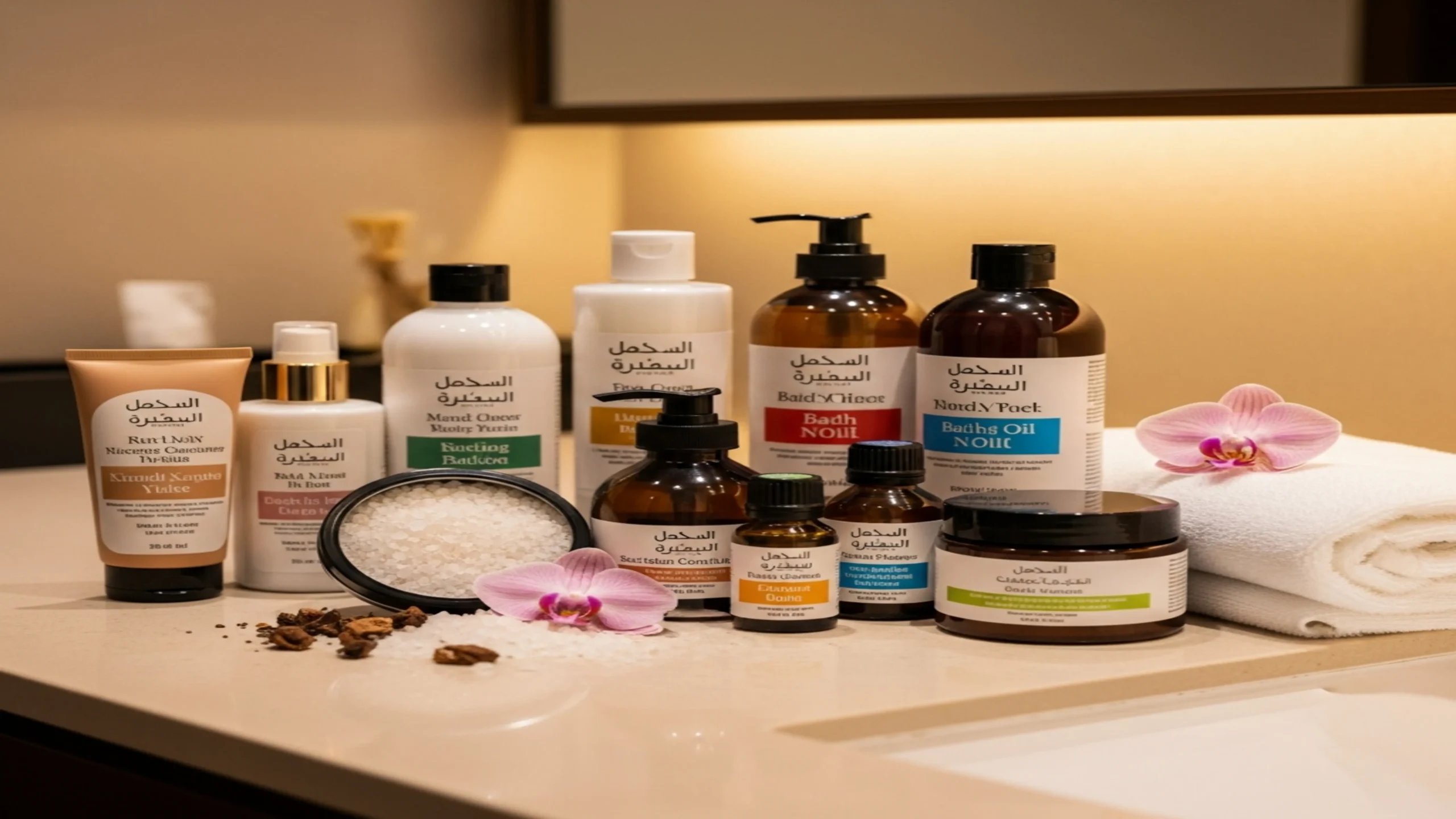
    Selection of the best bath and body products available in the UAE

    Tips for Choosing the Right Products for Your Skin Type

    Selecting the right bath & body products depends on your individual skin type. Here’s a quick guide:

    • Dry Skin: Look for products that are rich in moisturizing ingredients like shea butter, cocoa butter, and hyaluronic acid. Avoid harsh soaps and opt for creamy cleansers.
    • Oily Skin: Choose lightweight, oil-free products that won’t clog pores. Gel-based cleansers and lotions are a good option.
    • Sensitive Skin: Opt for fragrance-free and hypoallergenic products that are gentle on the skin. Look for ingredients like aloe vera and chamomile, which can help soothe irritation.
    • Combination Skin: Use a combination of products for different areas of your body. For example, you might use a lightweight lotion on your body and a richer cream on your dry hands and feet.

    Embrace the Power of Natural Ingredients

    When choosing bath & body products, consider opting for those with natural ingredients. These ingredients are often gentler on the skin and less likely to cause irritation. Some beneficial natural ingredients to look for include:

    • Aloe Vera: Soothes and hydrates the skin.
    • Coconut Oil: Nourishes and moisturizes the skin.
    • Shea Butter: Rich in vitamins and fatty acids, providing intense hydration.
    • Essential Oils: Offer various therapeutic benefits, such as relaxation, stress relief, and improved mood.

    The Importance of Exfoliation

    Exfoliating your skin regularly is essential for removing dead skin cells and revealing a smoother, brighter complexion. Aim to exfoliate your body 2-3 times per week. You can use a body scrub, a loofah, or a dry brush to exfoliate your skin. Remember to be gentle and avoid over-exfoliating, as this can irritate the skin. Many excellent options are available at Faster Pharma.

    Hydration is Key: Inside and Out

    In the UAE’s hot climate, staying hydrated is crucial for maintaining healthy skin. Drink plenty of water throughout the day to keep your skin hydrated from the inside out. In addition to drinking water, you can also hydrate your skin topically with moisturizing lotions, creams, and oils. A good skincare routine will keep you refreshed and healthy.

    Create a Spa-Like Atmosphere at Home

    Enhance your bath and body experience by creating a relaxing spa-like atmosphere in your bathroom. Light some scented candles, play some calming music, and dim the lights. This will help you unwind and de-stress after a long day. You can enhance your wellness routine with items found at Faster Pharma.

    Consult a Dermatologist

    If you have any specific skin concerns or conditions, it’s always best to consult a dermatologist. A dermatologist can assess your skin type and recommend the best products and treatments for your individual needs. For authoritative guidance on skin health, consult resources such as the American Academy of Dermatology.

    Conclusion: Embrace Self-Care and Indulge in the Best

    Taking care of your skin is an essential part of self-care. By choosing the right bath & body products and incorporating them into your daily routine, you can achieve healthy, glowing skin and enjoy a more relaxed and fulfilling lifestyle. Explore the wide range of options available in the UAE and find the perfect products to pamper yourself from head to toe.

    FAQs

    What type of body lotion is best for dry skin in the UAE climate?

    For dry skin in the UAE, opt for rich, creamy lotions containing ingredients like shea butter, cocoa butter, hyaluronic acid, and glycerin. These ingredients provide intense hydration and help to combat the dryness caused by air conditioning and sun exposure.

    How often should I exfoliate my body?

    It is generally recommended to exfoliate your body 2-3 times per week. However, if you have sensitive skin, you may want to exfoliate less frequently. Pay attention to your skin’s reaction and adjust the frequency accordingly.

    Are natural bath products better for my skin?

    Natural bath products often contain gentler ingredients that are less likely to cause irritation. Look for ingredients like aloe vera, coconut oil, shea butter, and essential oils, which offer various benefits for the skin.

    How can I create a spa-like experience at home?

    To create a spa-like atmosphere at home, try dimming the lights, lighting scented candles, playing calming music, and using luxurious bath and body products. Consider adding essential oils to your bath for added relaxation and aromatherapy benefits.

  • Latest Personal Care Appliances in UAE – Reviews & Tips

    Latest Personal Care Appliances in UAE – Reviews & Tips

    In today’s fast-paced world, taking care of ourselves is more important than ever. Fortunately, advancements in technology have brought us a range of personal care appliances designed to make our lives easier and our routines more effective. This guide explores the latest personal care gadgets available in the UAE, providing reviews, tips, and insights to help you make informed choices and enhance your well-being.

    Why Invest in Personal Care Appliances?

    Personal care appliances offer a multitude of benefits, from saving time and money to improving your overall health and appearance. These devices can provide professional-level treatments in the comfort of your home, eliminating the need for frequent salon visits. They also allow for personalized care tailored to your specific needs and preferences.

    Top Personal Care Appliance Categories

    The market for personal care appliances is vast, encompassing a wide array of products. Here’s a breakdown of some of the most popular categories:

    • Hair Care: This category includes hair dryers, straighteners, curling irons, hair removal devices, and more. Advanced models often feature innovative technologies like ionic conditioning and temperature control to minimize damage and maximize results.
    • Oral Care: Electric toothbrushes, water flossers, and teeth whitening kits are essential for maintaining optimal oral hygiene. These devices can help remove plaque, prevent gum disease, and brighten your smile. You can explore a wide range of options for maintaining your oral health here.
    • Skin Care: From facial cleansing brushes and microdermabrasion devices to anti-aging tools and acne treatments, the skin care appliance market is booming. These gadgets can help improve skin texture, reduce wrinkles, and combat various skin concerns.
    • Shaving & Hair Removal: Electric shavers, epilators, and IPL (Intense Pulsed Light) devices offer convenient and effective hair removal solutions. These appliances provide a smooth and long-lasting alternative to traditional shaving methods.
    • Wellness & Health: This category includes devices like massagers, air purifiers, and aromatherapy diffusers designed to promote relaxation, reduce stress, and improve overall well-being.

    Spotlight on Popular Appliances in the UAE

    1. Advanced Hair Dryers

    Look for hair dryers with ionic technology and multiple heat and speed settings. These features help to dry hair quickly and efficiently while minimizing heat damage. Some models even include attachments for creating different hairstyles.

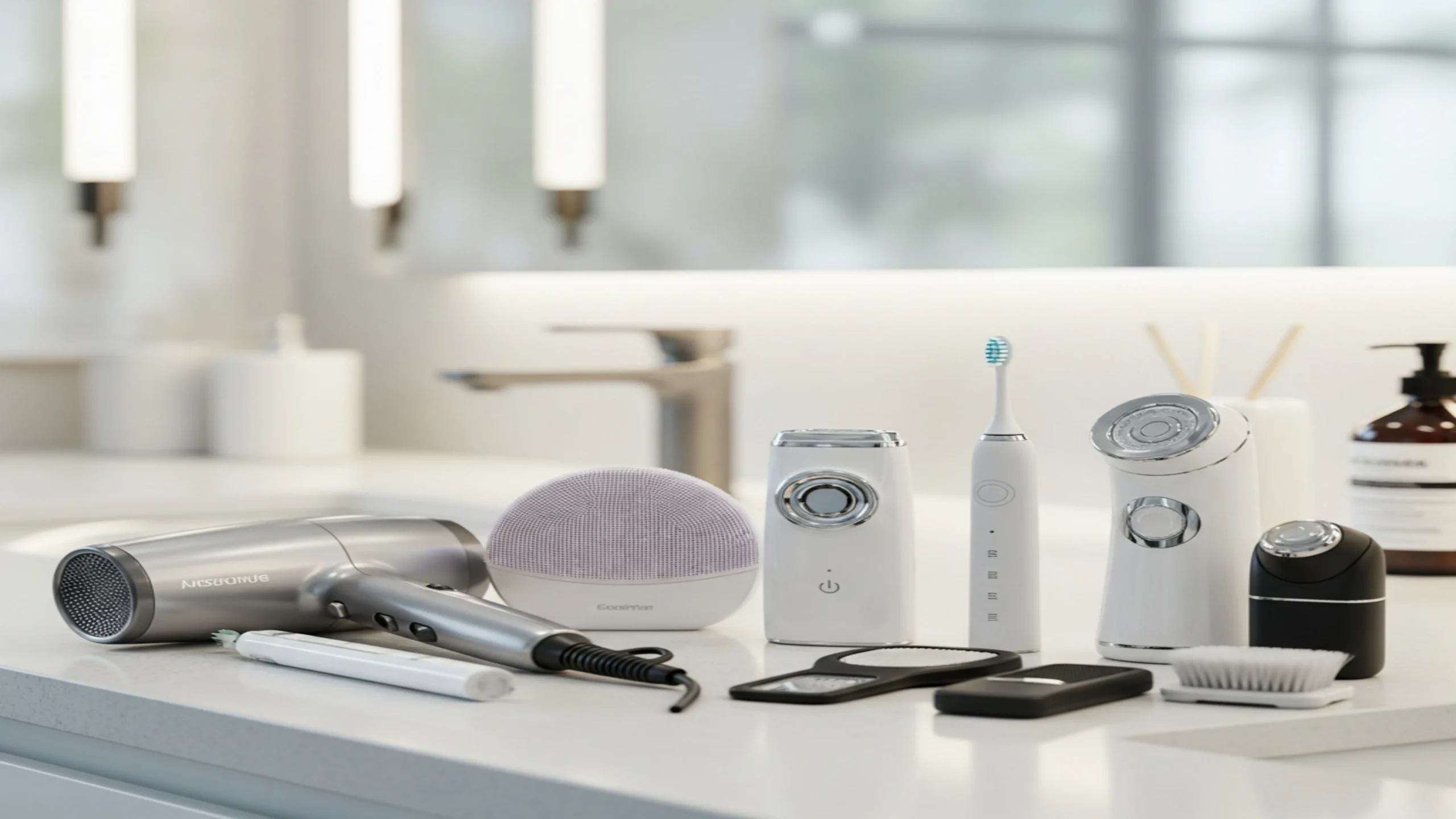
    Latest personal care appliances available in the UAE

    2. Smart Electric Toothbrushes

    Smart electric toothbrushes connect to your smartphone via Bluetooth, providing real-time feedback on your brushing technique. These devices can help you brush more effectively, ensuring that you reach all areas of your mouth and maintain optimal oral hygiene. Consider exploring other wellness products here to complement your personal care routine.

    3. Facial Cleansing Brushes

    Facial cleansing brushes offer a deeper and more thorough cleanse than manual washing. These devices use oscillating or rotating bristles to remove dirt, oil, and makeup from your pores, leaving your skin feeling clean and refreshed. They can also help to exfoliate the skin, promoting cell turnover and a brighter complexion.

    4. IPL Hair Removal Devices

    IPL devices provide a long-term hair removal solution that can be used in the comfort of your own home. These devices use pulses of light to target hair follicles, inhibiting hair growth over time. While results may vary, many users experience significant hair reduction after several treatments.

    5. Portable Massagers

    From handheld massagers to massage guns, there’s a portable massager to suit every need. These devices can help relieve muscle tension, reduce stress, and improve circulation. They are particularly useful for targeting specific areas of the body, such as the neck, back, and shoulders.

    Factors to Consider When Buying Personal Care Appliances

    • Your Needs and Goals: Determine which appliances will best address your specific needs and goals. Are you looking to improve your skin, maintain your oral hygiene, or simplify your hair care routine?
    • Features and Technologies: Research the features and technologies offered by different appliances. Look for devices that offer advanced features like ionic technology, temperature control, and smart connectivity.
    • Brand Reputation and Reviews: Choose reputable brands with positive customer reviews. Read online reviews to get an idea of the appliance’s performance and reliability.
    • Price and Warranty: Compare prices and consider the warranty offered by the manufacturer. A longer warranty can provide peace of mind and protect your investment.
    • Ease of Use and Maintenance: Select appliances that are easy to use and maintain. Look for devices with simple controls and clear instructions.

    Tips for Using Personal Care Appliances Safely

    • Read the Instructions: Always read the manufacturer’s instructions carefully before using any personal care appliance.
    • Follow the Guidelines: Adhere to the recommended usage guidelines and precautions.
    • Start Slowly: If you’re new to a particular appliance, start with a low setting and gradually increase the intensity as needed.
    • Clean Regularly: Clean your appliances regularly to prevent the buildup of bacteria and maintain optimal performance.
    • Consult a Professional: If you have any concerns about using a particular appliance, consult a dermatologist, dentist, or other healthcare professional.

    Staying Updated on the Latest Trends

    The personal care appliance market is constantly evolving, with new products and technologies being introduced regularly. Stay informed about the latest trends by reading product reviews, following industry blogs, and attending trade shows. By staying up-to-date, you can ensure that you’re making informed choices and investing in appliances that will truly enhance your well-being.

    Finding the Right Retailer in the UAE

    Several retailers in the UAE offer a wide selection of personal care appliances. Consider shopping at reputable department stores, electronics stores, and online retailers. Look for retailers that offer a good return policy and customer support.

    Remember to compare prices and read reviews before making a purchase. Taking the time to research your options will help you find the best personal care appliances to meet your needs and budget.

    For guidance on safety standards for personal care products and electrical appliances, refer to the Emirates Authority for Standardization and Metrology (ESMA) website. Their regulations help ensure that products sold in the UAE meet certain safety and performance criteria: ESMA Website

    FAQs

    What are the benefits of using personal care appliances?

    Personal care appliances can save time and money, provide professional-level treatments at home, and allow for personalized care tailored to individual needs, leading to improved overall health and appearance.

    How do I choose the right personal care appliance for me?

    Consider your specific needs and goals, research features and technologies, read brand reviews, compare prices and warranties, and ensure the appliance is easy to use and maintain.

    Are IPL hair removal devices safe to use at home?

    IPL devices are generally safe when used according to the manufacturer’s instructions. It’s crucial to follow the guidelines, start with a low setting, and avoid using the device on sensitive areas or skin conditions without consulting a professional.

    Where can I buy personal care appliances in the UAE?

    You can find a wide selection of personal care appliances at reputable department stores, electronics stores, and online retailers in the UAE.

  • Effective Medication Remedies: Tips, Uses & Precautions

    Effective Medication Remedies: Tips, Uses & Precautions

    Medication remedies are a cornerstone of modern healthcare, offering relief and treatment for a wide array of conditions. From over-the-counter pain relievers to prescription medications, understanding how to use these remedies safely and effectively is crucial. This guide provides expert tips, delves into common uses, and highlights essential precautions to ensure you get the most benefit from your medication while minimizing potential risks.

    1. Understanding Different Types of Medication Remedies

    Understanding different types of medication remedies is essential for effective treatment and better health outcomes. Each type serves a specific purpose, from relieving symptoms to curing illnesses. Knowing the right remedy helps ensure safe and proper use of medications.

    Over-the-Counter (OTC) Medications

    Over-the-counter medications are easily available without a prescription. They are commonly used to treat minor health issues like headaches, colds, and allergies. These medicines provide quick relief when used correctly. Always follow dosage instructions to ensure safe and effective use.

    Prescription Medications

    Prescription medications are provided by doctors for specific health conditions. They are stronger and more targeted compared to OTC drugs. Proper guidance from a healthcare professional is essential when using them. Following the prescribed dosage helps avoid side effects and ensures better results.

    Natural and Herbal Remedies

    Natural and herbal remedies are made from plant-based ingredients. They are often used for mild health concerns and overall wellness support. Many people prefer them as a natural alternative to chemical-based medicines. However, it’s important to use them carefully and consult experts when needed.

    2. Tips for Using Medication Remedies Effectively

    Using medication remedies correctly is essential for achieving the best health results. Proper usage helps improve effectiveness and reduces the risk of side effects. Always follow the recommended dosage and instructions provided. Understanding how and when to take medications can make a significant difference. With the right approach, you can ensure safe and effective treatment. To maximize the benefits of your medication remedies, consider these essential tips:

    • Follow Dosage Instructions: Always take medicines exactly as prescribed or mentioned on the label to avoid side effects.
    • Take at the Right Time: Some medications work best when taken at specific times, such as before or after meals.
    • Avoid Skipping Doses: Missing doses can reduce effectiveness and delay recovery, so stay consistent.
    • Read Labels Carefully: Check ingredients, warnings, and instructions before using any medication.
    • Consult a Healthcare Professional: Seek advice from a doctor or pharmacist, especially for new or long-term medications.
    • Do Not Mix Without Guidance: Avoid combining medicines or supplements without proper medical advice.
    • Store Medicines Properly: Keep medications in a cool, dry place and away from children for safety.

    3. Common Uses of Medication Remedies

    Medication remedies are widely used to treat and manage various health conditions. They help relieve symptoms such as pain, fever, and allergies. Many medicines also support recovery from infections and chronic illnesses. Proper use ensures effective results and faster healing. Understanding their common uses helps in making informed and safe health decisions. Medication remedies are used to treat a wide range of conditions, including:

    • Pain Relief: Pain relievers, such as ibuprofen and acetaminophen, are used to alleviate headaches, muscle aches, and other types of pain.
    • Allergy Relief: Antihistamines and decongestants are used to treat allergy symptoms like sneezing, runny nose, and itchy eyes.
    • Infections: Antibiotics, antivirals, and antifungals are used to treat bacterial, viral, and fungal infections, respectively.
    • Chronic Conditions: Medications are used to manage chronic conditions like diabetes, heart disease, and asthma.
    • Mental Health: Antidepressants, anti-anxiety medications, and antipsychotics are used to treat mental health conditions like depression, anxiety, and schizophrenia.

    4. Important Precautions When Using Medication Remedies

    Using medication remedies safely requires awareness and caution. Following proper guidelines helps prevent side effects and complications. Being informed ensures you get the maximum benefit from your treatments. While medication remedies can be incredibly beneficial, it’s crucial to take certain precautions to ensure your safety and well-being:

    Inform Your Doctor About All Medications You Are Taking: Provide your doctor with a complete list of all medications you are taking, including prescription drugs, OTC medications, vitamins, and herbal supplements.

    Disclose Any Allergies or Medical Conditions: Inform your doctor about any allergies you have or any existing medical conditions, as these factors can influence the choice of medication and dosage.

    Read Medication Labels Carefully: Always read the medication label carefully before taking any medication. Pay attention to the dosage instructions, warnings, and potential side effects.

    Ask Questions: Don’t hesitate to ask your doctor or pharmacist any questions you have about your medication. Understanding how your medication works and what to expect can help you feel more confident and in control of your health.

    Be Aware of Drug Interactions: Certain medications can interact with each other, potentially leading to adverse effects. Be sure to inform your doctor or pharmacist about all medications you are taking to minimize the risk of drug interactions. Learn more about proper medication use.

    Do Not Share Medications: Never share your medications with others, even if they have similar symptoms. Medications are prescribed based on individual needs and medical history, and sharing medications can be dangerous.

    Dispose of Unused Medications Properly: Dispose of unused medications safely to prevent accidental ingestion or misuse. Check with your local pharmacy or healthcare provider for information on proper medication disposal methods. The UAE Ministry of Health provides guidelines on safe medication practices.

    5. Understanding Potential Risks and Side Effects

    All medications carry some degree of risk, and it’s essential to be aware of potential side effects. Side effects can range from mild and temporary to severe and life-threatening. Common side effects include nausea, vomiting, diarrhea, drowsiness, and dizziness. More serious side effects can include allergic reactions, liver damage, and heart problems.

    If you experience any concerning side effects while taking medication, contact your doctor immediately. They can assess your symptoms and determine whether the medication needs to be adjusted or discontinued.

    6. The Role of Your Pharmacist

    Your pharmacist is a valuable resource for information about your medications. They can answer questions about dosage, side effects, drug interactions, and storage. They can also provide advice on how to manage side effects and ensure you are taking your medication safely and effectively.

    Don’t hesitate to reach out to your pharmacist with any questions or concerns you have about your medication. They are there to help you get the most benefit from your treatment.

    7. Staying Informed and Empowered

    Taking an active role in your healthcare is crucial for managing your health effectively. This includes staying informed about your medications, understanding potential risks and benefits, and communicating openly with your doctor and pharmacist. By staying informed and empowered, you can make informed decisions about your health and ensure you are getting the best possible care. You can find various wellness products to assist with your overall health.

    Conclusion

    Medication remedies are essential tools for maintaining health and managing illnesses effectively. Understanding their types, proper usage, common applications, and potential risks ensures safe and optimal results. Following expert tips, consulting healthcare professionals, and staying informed empowers you to make the best decisions for your well-being. Always prioritize safety and guidance to maximize the benefits of your medications.

    FAQs

    What should I do if I miss a dose of my medication?

    If you miss a dose, take it as soon as you remember, unless it’s almost time for your next scheduled dose. In that case, skip the missed dose and continue with your regular dosing schedule. Do not double the dose to catch up.

    How can I minimize the risk of side effects from my medication?

    Follow your doctor’s instructions carefully, inform them about all medications you’re taking, read medication labels thoroughly, and report any concerning side effects promptly. Staying hydrated and maintaining a healthy lifestyle can also help minimize side effects.

    Is it safe to take over-the-counter medications with prescription medications?

    Not always. Some over-the-counter medications can interact with prescription medications, potentially causing adverse effects. Always consult your doctor or pharmacist before combining any medications, including OTC drugs, vitamins, and herbal supplements.

    How should I dispose of expired or unused medications?

    Do not flush medications down the toilet unless specifically instructed to do so. Check with your local pharmacy or healthcare provider for information on proper medication disposal methods, such as medication take-back programs. You can also mix medications with undesirable substances like coffee grounds or kitty litter and seal them in a bag before throwing them away.

  • Wellness Tips & Products for a Healthier Life – FasterPharma

    Wellness Tips & Products for a Healthier Life – FasterPharma

    In today’s fast-paced world, prioritizing your well-being is more crucial than ever. A healthier lifestyle isn’t just about avoiding illness; it’s about feeling energized, confident, and ready to tackle whatever life throws your way. At FasterPharma, we believe that everyone deserves access to the tools and knowledge they need to thrive. This blog post will explore practical wellness tips and showcase some of the products we offer to support you on your path to a healthier, happier you.

    1. The Foundations of Wellness: Building a Strong Base

    Before diving into specific products, let’s establish the core principles of a well-rounded wellness routine. These pillars form the foundation upon which you can build lasting healthy habits. A balanced routine also supports both physical and mental well-being for a healthier lifestyle.

    • Nourishment: Fueling your body with nutritious foods is paramount. Focus on whole, unprocessed foods like fruits, vegetables, lean proteins, and whole grains.
    • Movement: Regular physical activity is essential for both physical and mental health. Find activities you enjoy, whether it’s brisk walking, dancing, swimming, or hitting the gym.
    • Rest and Recovery: Adequate sleep allows your body to repair and rejuvenate. Aim for 7-9 hours of quality sleep each night.
    • Stress Management: Chronic stress can wreak havoc on your health. Practice relaxation techniques like meditation, deep breathing, or yoga to manage stress levels.
    • Hydration: Water is vital for countless bodily functions. Stay hydrated by drinking plenty of water throughout the day.

    2. Wellness Tips for a Healthier Life

    Now that we’ve covered the basics, let’s delve into some actionable wellness tips that you can easily incorporate into your daily routine. Adopting simple wellness habits can greatly improve your overall health and lifestyle. Small daily changes help boost energy, reduce stress, and support long-term well-being. With the right approach, you can create a balanced and healthier life.

    1. Prioritize Sleep Hygiene

    Creating a consistent sleep schedule is key to improving sleep quality. Go to bed and wake up around the same time each day, even on weekends. Establish a relaxing bedtime routine, such as taking a warm bath, reading a book, or listening to calming music. Make sure your bedroom is dark, quiet, and cool. Avoid screen time before bed, as the blue light emitted from electronic devices can interfere with sleep.

    2. Incorporate Mindfulness

    Mindfulness involves paying attention to the present moment without judgment. It can help reduce stress, improve focus, and enhance overall well-being. Try practicing mindfulness meditation for a few minutes each day. Simply find a quiet place, close your eyes, and focus on your breath. When your mind wanders, gently redirect your attention back to your breath. There are also many guided meditation apps and resources available online.

    Wellness tips and products for a healthier life from FasterPharma

    3. Embrace Regular Exercise

    Find physical activities that you enjoy and can sustain over the long term. If you dislike going to the gym, explore other options like hiking, cycling, swimming, or dancing. Aim for at least 150 minutes of moderate-intensity aerobic exercise or 75 minutes of vigorous-intensity aerobic exercise per week. Don’t forget to incorporate strength training exercises to build muscle mass and improve bone density.

    4. Nourish Your Body with Whole Foods

    Focus on eating a balanced diet rich in fruits, vegetables, whole grains, lean proteins, and healthy fats. Limit your intake of processed foods, sugary drinks, and unhealthy fats. Prepare your own meals whenever possible to control the ingredients and portion sizes. Consider meal prepping on the weekends to save time during the week. You can explore our diet and nutrition product category for supplements to support your dietary goals.

    5. Stay Hydrated Throughout the Day

    Carry a water bottle with you and sip on it throughout the day. Aim to drink at least eight glasses of water daily. You can also hydrate with other healthy beverages like herbal teas, infused water, and sparkling water. Avoid sugary drinks like soda and juice, as they can contribute to dehydration and weight gain.

    6. Practice Gratitude

    Taking time to appreciate the good things in your life can significantly boost your mood and overall well-being. Start a gratitude journal and write down a few things you’re grateful for each day. You can also express your gratitude to others by sending a thank-you note or simply telling them how much you appreciate them.

    7. Connect with Others

    Social connection is essential for mental and emotional health. Spend time with loved ones, join a club or organization, or volunteer in your community. Nurture your relationships and make an effort to connect with others regularly.

    3. Wellness Products to Enhance Your Health

    Wellness products play an important role in supporting overall health and daily well-being. From vitamins to supplements, they help boost energy, immunity, and balance. Choosing the right products can enhance your lifestyle and promote long-term health. At FasterPharma, we offer a wide range of products to support your wellness journey. Here are a few examples:

    • Vitamins and Supplements: We offer a variety of vitamins and supplements to help you meet your nutritional needs. Whether you’re looking for a daily multivitamin, vitamin D, or omega-3 fatty acids, we have you covered.
    • Personal Care: Taking care of your hygiene and body is key to your overall wellness. Check out our products, such as our bath and body products.
    • Fitness Equipment: Invest in some basic home fitness equipment like resistance bands, dumbbells, or a yoga mat to make it easier to exercise at home.
    • Stress Relief Aids: Explore aromatherapy diffusers, weighted blankets, or massage tools to help you relax and manage stress.

    4. Choosing the Right Wellness Products

    Selecting the right wellness products is essential for achieving your health goals. Understanding your body’s needs helps you pick effective supplements and vitamins. Quality, authenticity, and proper usage are key factors to consider. With the right choices, you can safely enhance your overall well-being and maintain a healthier lifestyle. With so many wellness products available, it can be overwhelming to know where to start. Here are a few tips for choosing the right products for your needs.

    5. The Importance of a Holistic Approach

    Remember that wellness is a holistic concept that encompasses physical, mental, and emotional well-being. Don’t focus solely on one aspect of your health while neglecting others. Strive for balance in all areas of your life to achieve optimal wellness.

    For further information and guidance on healthy living, consider resources from reputable sources such as the UAE Ministry of Health and Prevention. Taking proactive steps towards better health starts with information and guidance from official sources.

    6. Your Wellness Journey with FasterPharma

    At FasterPharma, we are committed to providing you with the tools and resources you need to live a healthier, happier life. Explore our website to discover a wide range of wellness products, health information, and expert advice. We are here to support you every step of the way.

    Conclusion

    Prioritizing wellness helps you achieve a healthier, balanced lifestyle. Incorporating simple habits and the right products supports physical, mental, and emotional well-being. Always choose quality, authentic wellness solutions tailored to your needs. With FasterPharma, you have reliable tools and guidance to thrive on your wellness journey.

    FAQs

    What are the key pillars of a well-rounded wellness routine?

    The key pillars include nourishment, movement, rest and recovery, stress management, and hydration.

    How much exercise should I aim for each week?

    Aim for at least 150 minutes of moderate-intensity aerobic exercise or 75 minutes of vigorous-intensity aerobic exercise per week, plus strength training exercises.

    What should I consider when choosing wellness products?

    Consult with a healthcare professional, read labels carefully, look for third-party certifications, and read reviews from other customers.

    Why is it important to stay hydrated?

    Water is vital for countless bodily functions, including regulating body temperature, transporting nutrients, and removing waste products. Aim to drink at least eight glasses of water daily.