
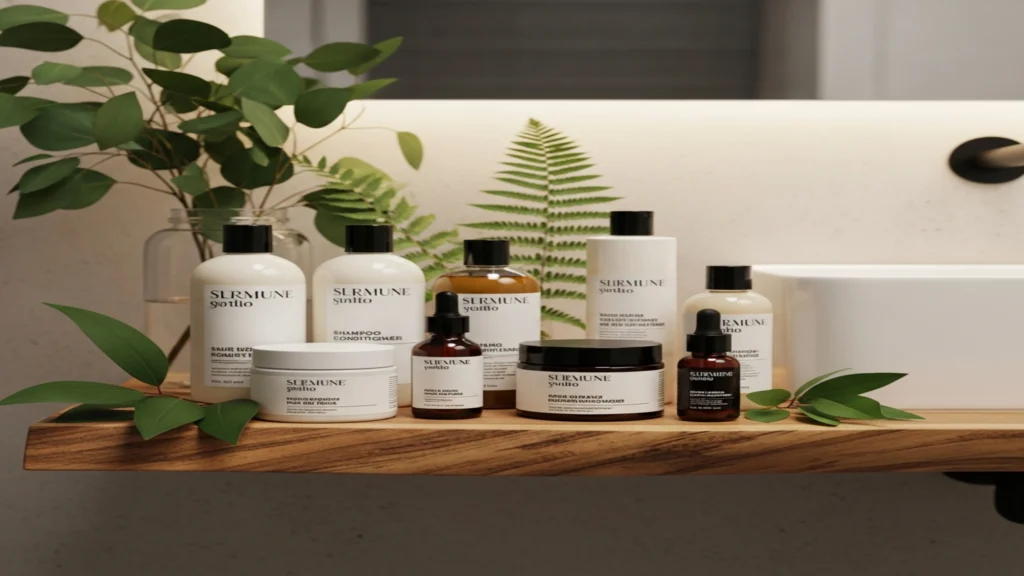
Achieving healthy, vibrant hair is a goal for many, and a consistent hair care routine forms the bedrock of this pursuit. While complex styling and elaborate salon treatments certainly play a role, mastering the fundamentals shampoo, conditioner, and targeted treatments is absolutely crucial. This guide will delve into each of these essential elements, explaining their purpose, how to choose the right products for your hair type, and how to incorporate them into your daily or weekly routine for optimal results.
1. Understanding Your Hair Type
Understanding your hair type is the foundation of an effective hair care routine. It helps you select the right products and treatments for your specific needs. By knowing your hair’s texture and behavior, you can achieve healthier, more manageable results. Before diving into specific products, it’s vital to understand your unique hair type. Hair can be broadly categorized based on several factors:
- Texture: Straight, wavy, curly, or coily.
- Thickness: Fine, medium, or thick.
- Porosity: Hair porosity low resists moisture, high absorbs then loses fast.
- Oiliness: Normal, oily, dry, or combination.
Knowing your hair type will guide you in selecting products that address its specific needs. For example, someone with fine, oily hair will require different products than someone with thick, dry, curly hair.
2. Role of Shampoo in Healthy Hair Care
Shampoo is the cornerstone of any hair care routine, primarily responsible for cleansing the scalp and hair of dirt, oil, and product buildup. However, not all shampoos are created equal. Choosing the right shampoo is essential to maintain healthy hair and avoid stripping away natural oils.
Types of Shampoos:
- Sulfate-Free Shampoos: Gentle cleansers that are ideal for dry, damaged, or color-treated hair. Sulfates can be harsh and strip away natural oils, leading to dryness and frizz.
- Clarifying Shampoos: Designed to remove heavy buildup from styling products, hard water minerals, and chlorine. Use sparingly (once or twice a month) as they can be drying.
- Volumizing Shampoos: Formulated to add body and lift to fine or thin hair. They often contain lightweight ingredients that won’t weigh the hair down.
- Moisturizing Shampoos: Enriched with hydrating ingredients like oils, shea butter, and glycerin to nourish and hydrate dry or damaged hair.
- Medicated Shampoos: Contain active ingredients to treat scalp conditions like dandruff, seborrheic dermatitis, and psoriasis.
How to Shampoo Properly:
- Wet your hair thoroughly with lukewarm water.
- Apply a small amount of shampoo to your scalp.
- Massage gently with your fingertips to create a lather. Focus on cleansing the scalp, as this is where most of the oil and dirt accumulate.
- Rinse thoroughly with lukewarm water until all traces of shampoo are gone.
- Repeat if necessary, but generally, one thorough wash is sufficient.

3. The Importance of Conditioner
Conditioner is designed to replenish moisture, detangle hair, and smooth the cuticle, leaving hair soft, manageable, and shiny. It’s an essential step after shampooing, as shampooing can sometimes strip away natural oils. Find a range of personal care products at FasterPharma.
Types of Conditioners:
- Rinse-Out Conditioners: The most common type of conditioner, applied after shampooing and rinsed out after a few minutes.
- Leave-In Conditioners: Applied to damp hair and left in to provide ongoing hydration, detangling, and frizz control.
- Deep Conditioners: More intensive treatments designed to provide deep hydration and repair damage. Typically used once or twice a week.
How to Condition Properly:
- After shampooing, squeeze out excess water from your hair.
- Apply conditioner from mid-lengths to ends, avoiding the scalp.
- Leave the conditioner on for the recommended time (usually 2-5 minutes).
- Rinse thoroughly with lukewarm water.
- For deep conditioners, follow the specific instructions on the product label, which may involve leaving the conditioner on for a longer period or using heat.
4. Hair Treatments: Targeted Solutions for Specific Concerns
Hair treatments are designed to address specific hair concerns, such as dryness, damage, breakage, frizz, and scalp issues. They provide an extra boost of nutrients and ingredients to improve the overall health and appearance of your hair. Hair treatments should be chosen based on the individual’s specific needs and concerns. It’s important to choose the correct hair treatment to ensure you are taking care of your hair’s specific needs.
Types of Hair Treatments:
- Hair Masks: Deeply nourishing treatments that provide intense hydration and repair damage.
- Hair Oils: Lightweight oils that add shine, reduce frizz, and protect hair from heat damage. Argan oil, coconut oil, and jojoba oil are popular choices.
- Serums: Targeted treatments that address specific concerns like split ends, frizz, and dullness.
- Scalp Treatments: Designed to improve scalp health, promote hair growth, and address issues like dandruff and itchy scalp.
- Protein Treatments: Help to strengthen and repair damaged hair by replenishing protein. Use with caution, as overuse can lead to brittle hair.
How to Use Hair Treatments
The application method varies depending on the type of treatment. Always follow the instructions on the product label. Generally, hair masks and deep conditioners are applied to damp hair after shampooing, left on for a specified time, and then rinsed thoroughly. Hair oils and serums can be applied to damp or dry hair, focusing on the ends.
5. Building Your Hair Care Routine
Creating a hair care routine helps maintain healthy, strong, and shiny hair. It ensures your hair gets the right moisture, nutrients, and protection daily. A consistent routine also prevents damage and promotes long-term hair growth. A consistent hair care routine is key to achieving healthy, beautiful hair. Here’s a sample routine to get you started:
- Shampoo: Wash your hair 2-3 times a week, or as needed based on your hair type and activity level.
- Conditioner: Apply conditioner after every shampoo.
- Deep Conditioner/Hair Mask: Use a deep conditioner or hair mask once a week for extra hydration and repair.
- Leave-In Conditioner: Apply a leave-in conditioner to damp hair for added moisture and detangling.
- Hair Oil/Serum: Use a hair oil or serum to add shine, reduce frizz, and protect hair from heat damage.
Adjust this routine to suit your individual needs and preferences. Pay attention to how your hair responds to different products and adjust accordingly. It is also a good idea to have regular haircuts to remove split ends and promote hair growth.
6. Choosing the Right Products for Your Hair Type
Selecting the appropriate hair care products requires careful consideration of your hair type and its specific needs. Here’s a breakdown of product recommendations based on common hair types:
- Fine Hair: Opt for lightweight, volumizing shampoos and conditioners. Avoid heavy products that can weigh the hair down.
- Thick Hair: Choose moisturizing shampoos and conditioners that can provide adequate hydration. Look for products that can help to smooth and detangle thick hair.
- Oily Hair: Select clarifying shampoos and lightweight conditioners. Avoid products that contain heavy oils or silicones.
- Dry Hair: Use moisturizing shampoos and conditioners enriched with oils and butters. Incorporate deep conditioning treatments into your routine.
- Curly Hair: Opt for moisturizing shampoos and conditioners designed for curly hair. Look for products that can define curls, reduce frizz, and add moisture. Dubai Municipality has guidelines for hair salons to help you maintain a healthy and beautiful look.
- Color-Treated Hair: Choose sulfate-free shampoos and conditioners designed to protect color-treated hair. Look for products that can prevent fading and maintain vibrancy.
- Damaged Hair: Opt for reparative shampoos and conditioners that contain protein or other strengthening ingredients. Incorporate deep conditioning treatments into your routine.
7. Beyond the Basics: Lifestyle Factors
While shampoo, conditioner, and treatments form the core of hair care, it’s important to remember that lifestyle factors also significantly impact hair health. A balanced diet rich in vitamins and minerals, adequate hydration, stress management, and protecting your hair from excessive heat styling and sun exposure are all crucial for maintaining strong, healthy, and vibrant locks. Consider exploring our range of wellness products for a healthier lifestyle at FasterPharma.
Conclusion
A consistent hair care routine is the foundation of healthy, vibrant hair. Choosing the right products for your hair type ensures maximum benefits. Incorporating treatments and protective practices prevents damage and promotes growth. Combined with a healthy lifestyle, these steps help you achieve strong, shiny, and manageable hair.
FAQs
How often should I wash my hair?
Wash 2-3 times per week, or as needed based on hair type and activity.
Do I need a conditioner every time I shampoo?
Yes, conditioner replenishes moisture and smooths the hair cuticle after shampooing.
Can hair treatments fix damaged hair?
Deep conditioners, masks, and protein treatments help repair and strengthen hair over time.
Are lifestyle habits important for hair health?
Yes, diet, hydration, stress management, and sun protection all impact hair quality.